
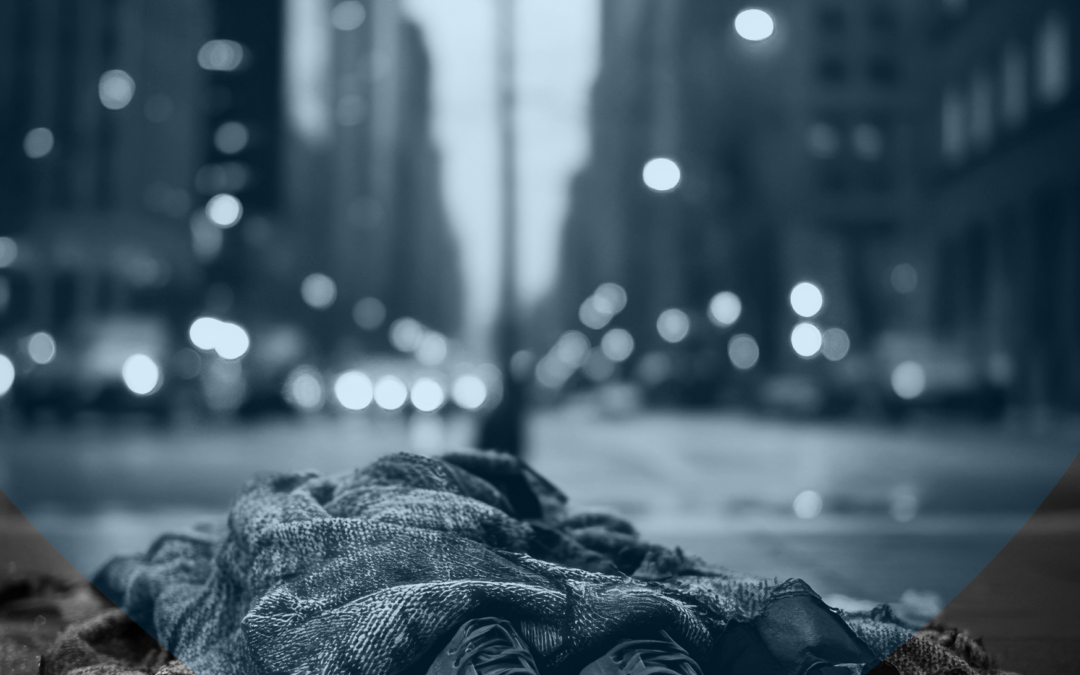
The 2026 NSW Street Count recorded 2,308 people sleeping rough across the state, a 5% rise on the previous year, while inner-city Sydney fell 15% to 296 people. The overall picture is one of continued growth, but at a slowing rate, and with clear improvements where support has been concentrated.
What the Street Count is
Each year Homes NSW coordinates a statewide count of people sleeping rough. The 2026 count ran from 23 February to 19 March, covering 461 towns and suburbs across 77 local government areas, with more than 370 local organisations taking part.
It is a snapshot rather than a full picture. People sleeping in cars, couch surfing or in temporary accommodation are not captured by a street count, so the true scale of homelessness is considerably larger than the rough sleeping figure.
The headline numbers
| Measure | 2026 result | Change |
|---|---|---|
| NSW total sleeping rough | 2,308 | Up 5% |
| Inner-city Sydney | 296 | Down 15% from 346 |
| Byron Shire | 245 | Down from 348 in 2024 |
The trend is what matters
Read in isolation, a 5% rise sounds like straightforward bad news. The trajectory tells a more nuanced story. Rough sleeping in NSW rose 34% in 2023, then 8% the following year, and now 5%. The number is still climbing, but the rate of increase has fallen sharply.
Areas that received concentrated investment, including inner-city Sydney, Byron, Ballina, Inverell and the Tweed Valley, recorded decreases. The largest increase within Greater Sydney was in the Inner West, with Coffs Harbour, Port Macquarie, the Hunter and the Central Coast rising regionally.
What is driving it
According to Homes NSW, the most common drivers are a lack of affordable housing and the high cost of living. That is worth sitting with, because it undercuts the assumption that rough sleeping is primarily about addiction or mental illness. Those factors exist, but the data points first at housing and affordability.
It also means the population at risk is broader than many people assume. Families are increasingly represented, and a single financial shock can be enough.
What this means for our work
Two things follow. First, outreach still matters, which is why our Clothe the Homeless volunteers head to Martin Place each month with clothing, sleeping bags and essentials.
Second, and less visibly, prevention matters. Our Family Support Program exists partly to stop households tipping over the edge in the first place. Helping a family keep a functioning home is cheaper, kinder and more effective than helping them after they lose it.
Frequently asked questions
How many people sleep rough in NSW?
The 2026 NSW Street Count recorded 2,308 people sleeping rough across the state, a 5% increase on the previous year.
Is homelessness in Sydney getting better or worse?
Mixed. Inner-city Sydney recorded a 15% decrease in 2026, down to 296 people, but the statewide figure rose 5%. The rate of increase has slowed from 34% in 2023 to 5% in 2026.
What causes homelessness in NSW?
Homes NSW identifies a lack of affordable housing and the high cost of living as the most common drivers, ahead of factors often assumed to be primary causes.
Does the Street Count capture all homelessness?
No. It counts people sleeping rough on a given night. People in cars, couch surfing or in temporary accommodation are not included, so total homelessness is significantly higher.
When is the Street Count conducted?
Annually. The 2026 count ran from 23 February to 19 March across 461 towns and suburbs in 77 local government areas.
Support the work behind this article
House of Sadaqa is a registered Australian charity helping local families in crisis with household essentials, whitegoods and emergency relief. There are three direct ways to be part of it:
- Donate, with donations over $2 tax-deductible
- Volunteer your time in the warehouse, on outreach runs, or at events
- Clear a NSW fine through a Work and Development Order
You can also support us without donating a cent, simply by choosing one of our social enterprises. Each one puts its profits back into supporting families:
- Goodwill Connect, NBN internet for Greater Sydney
- Panda Paper, premium bamboo toilet paper delivered to your door
- The Goodwill Laundry, self-serve laundry in Bankstown
- The Goodwill Shop, our op-shops in Revesby and Bankstown