
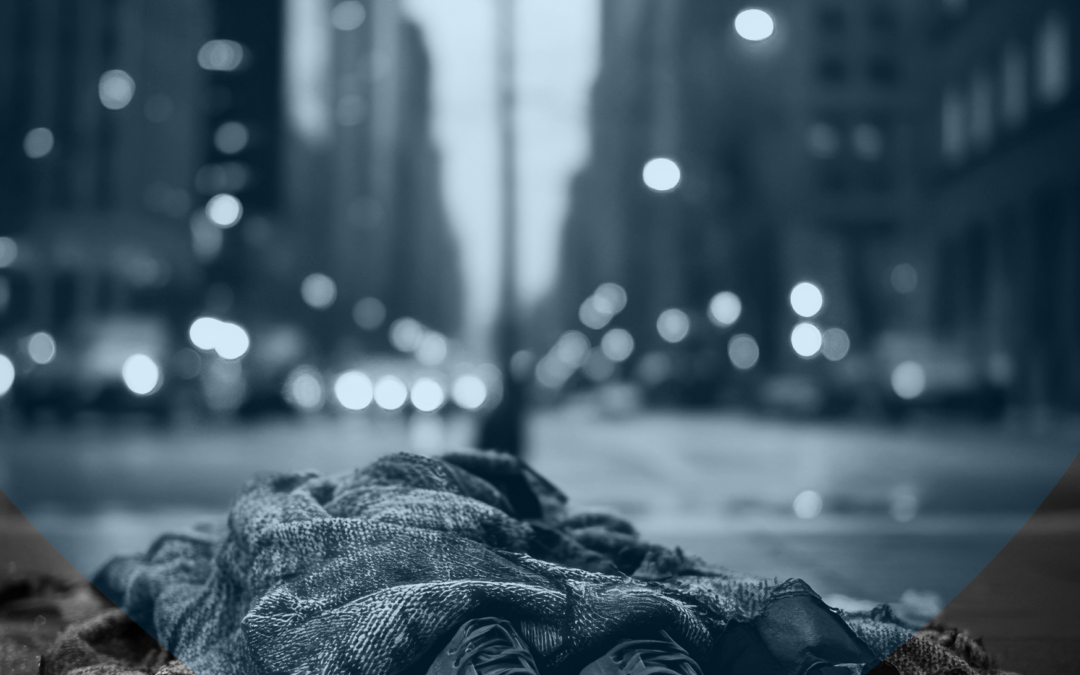
A sleeping bag is the single most useful item you can give someone sleeping rough, because it is the only piece of shelter a person can carry with them. In a Sydney winter, staying dry matters even more than staying warm.
Sydney winters are underestimated
People who sleep indoors tend to think of Sydney as mild. Overnight, in the open, with wind and rain and concrete drawing heat out of the body, it is a different proposition. Hypothermia does not require snow.
The critical factor is moisture. Wet insulation stops insulating and starts pulling heat away from the body, which makes a soaked sleeping bag worse than none at all. That is why waterproofing matters as much as thickness.
What makes a good sleeping bag to donate
- Water resistant outer. The most important feature by a distance.
- Synthetic fill rather than down. Synthetic keeps some insulating ability when damp, and dries faster. Down is warmer when dry and useless when wet.
- Compact and light. It has to be carried all day, every day.
- Dark colours. They show dirt less, which matters when washing is not an option.
- A working zip. A bag that cannot close is a blanket.
What else is needed
Warmth is lost fastest from the head, hands and feet, which is why beanies, gloves and dry socks punch far above their price. A waterproof jacket keeps everything else functional. Ground insulation, such as a foam mat, prevents heat draining into concrete.
New socks are the most requested and least donated item on any outreach run. See what to donate to a homeless outreach for the full list.
Timing matters
Donations surge during cold snaps, which is understandable but not ideal. Giving in autumn, before the coldest weeks, means items can be sorted and distributed before they are urgently needed rather than during the emergency.
How we distribute them
Sleeping bags go out through our monthly Clothe the Homeless runs at Martin Place, alongside clothing, shoes and winter essentials. Inner-city Sydney has the highest concentration of rough sleeping in the state, with 296 people recorded in the 2026 NSW Street Count.
Funding a sleeping bag rather than donating one lets us buy in bulk at wholesale prices and choose specifications that survive street conditions.
Frequently asked questions
What kind of sleeping bag is best for someone homeless?
A compact, lightweight bag with a water resistant outer and synthetic fill. Synthetic retains some insulation when damp and dries faster than down, which becomes useless when wet.
Can I donate a used sleeping bag?
Yes, if it is clean, dry and has a working zip. Damp or mouldy bags cannot be distributed.
Why is staying dry more important than staying warm?
Wet insulation stops working and actively draws heat from the body, which is why a soaked sleeping bag can be worse than none at all.
What else do people sleeping rough need in winter?
Waterproof jackets, beanies, gloves, new socks and ground insulation such as a foam mat. Heat is lost fastest from the head, hands and feet.
When is the best time to donate winter items?
Autumn, before the coldest weeks. Donations arriving during a cold snap cannot always be sorted and distributed in time to help.
Support the work behind this article
House of Sadaqa is a registered Australian charity helping local families in crisis with household essentials, whitegoods and emergency relief. There are three direct ways to be part of it:
- Donate, with donations over $2 tax-deductible
- Volunteer your time in the warehouse, on outreach runs, or at events
- Clear a NSW fine through a Work and Development Order
You can also support us without donating a cent, simply by choosing one of our social enterprises. Each one puts its profits back into supporting families:
- Goodwill Connect, NBN internet for Greater Sydney
- Panda Paper, premium bamboo toilet paper delivered to your door
- The Goodwill Laundry, self-serve laundry in Bankstown
- The Goodwill Shop, our op-shops in Revesby and Bankstown