
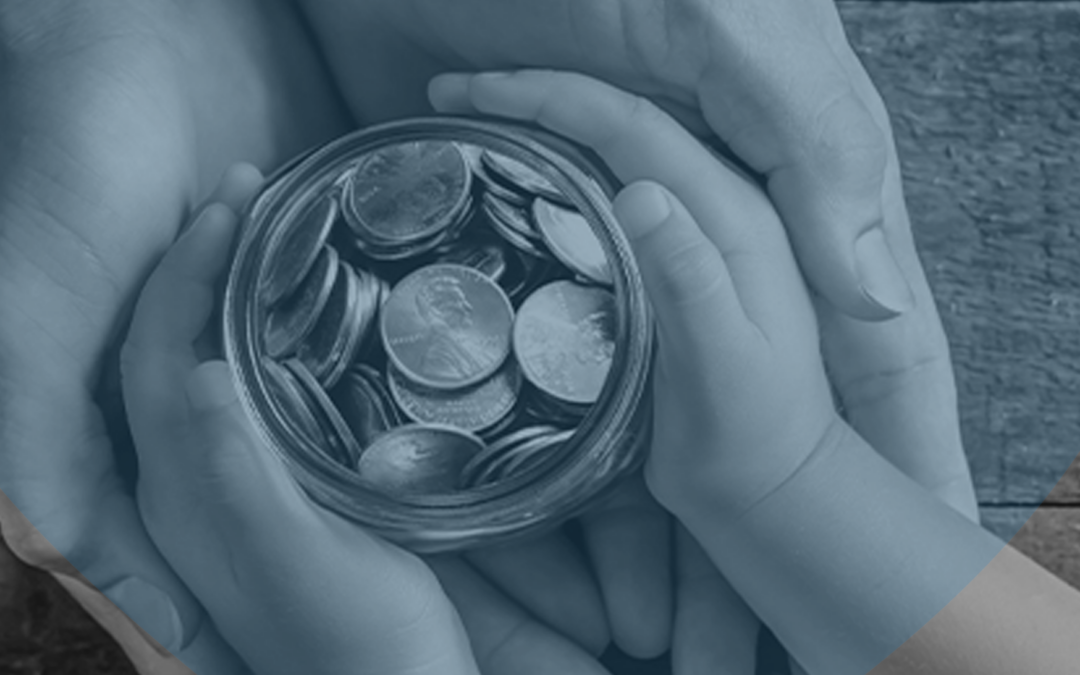
Sadaqah is voluntary charity of any amount, at any time, to anyone, and it is not limited to money. There is no threshold to cross and no calculation to perform, which makes it the most accessible form of giving in Islam.
It is broader than money
The Prophet Muhammad described a smile as sadaqah. So is removing something harmful from a path, speaking a kind word, helping someone lift a load, or simply not causing harm. The category is deliberately wide.
That breadth carries a practical implication: nobody is excluded from giving. Someone with no money at all still has time, attention and kindness, and all of those count.
Why small and regular beats large and occasional
From a charity’s perspective this is not sentiment, it is operations. Income that arrives in unpredictable bursts is difficult to plan around. A program that supports families cannot commit to helping someone next month if next month’s income is unknown.
Regular giving, even in small amounts, is disproportionately valuable because it is predictable. Twenty dollars a month for a year is worth more operationally than $240 arriving once, despite being the same sum.
It is also consistent with the emphasis in Islamic teaching on deeds that are small and continuous rather than large and sporadic.
How sadaqah differs from zakat
Zakat is obligatory, calculated at 2.5% of qualifying wealth, and restricted to eight categories of recipient. Sadaqah is voluntary, unlimited in form, and may be given to anyone. Our full comparison covers zakat vs sadaqah.
There is also sadaqah jariyah, ongoing charity structured so the benefit continues over time.
Practical sadaqah in Sydney
- A small monthly donation to the Family Support Program
- A few hours volunteering in the warehouse
- Donating clothing or household goods in good condition
- Buying from a social enterprise instead of an ordinary supplier
- Checking on a neighbour who lives alone
Frequently asked questions
What does sadaqah mean?
Sadaqah is voluntary charity given for the sake of good. It has no minimum amount, no fixed timing, and is not restricted to particular recipients.
Is sadaqah only money?
No. It includes acts of kindness such as a smile, a kind word, removing something harmful from a path, or helping someone with a task.
How much sadaqah should I give?
There is no set amount. Small, regular giving is often more valuable to a charity than occasional large gifts, because predictable income allows programs to be planned.
Can sadaqah be given to non-Muslims?
Yes. Unlike zakat, sadaqah may be given to anyone in need.
What is the difference between sadaqah and zakat?
Zakat is obligatory, calculated at 2.5% of qualifying wealth and restricted to eight categories of recipient. Sadaqah is voluntary, any amount, and may be given to anyone.
Support the work behind this article
House of Sadaqa is a registered Australian charity helping local families in crisis with household essentials, whitegoods and emergency relief. There are three direct ways to be part of it:
- Donate, with donations over $2 tax-deductible
- Volunteer your time in the warehouse, on outreach runs, or at events
- Clear a NSW fine through a Work and Development Order
You can also support us without donating a cent, simply by choosing one of our social enterprises. Each one puts its profits back into supporting families:
- Goodwill Connect, NBN internet for Greater Sydney
- Panda Paper, premium bamboo toilet paper delivered to your door
- The Goodwill Laundry, self-serve laundry in Bankstown
- The Goodwill Shop, our op-shops in Revesby and Bankstown